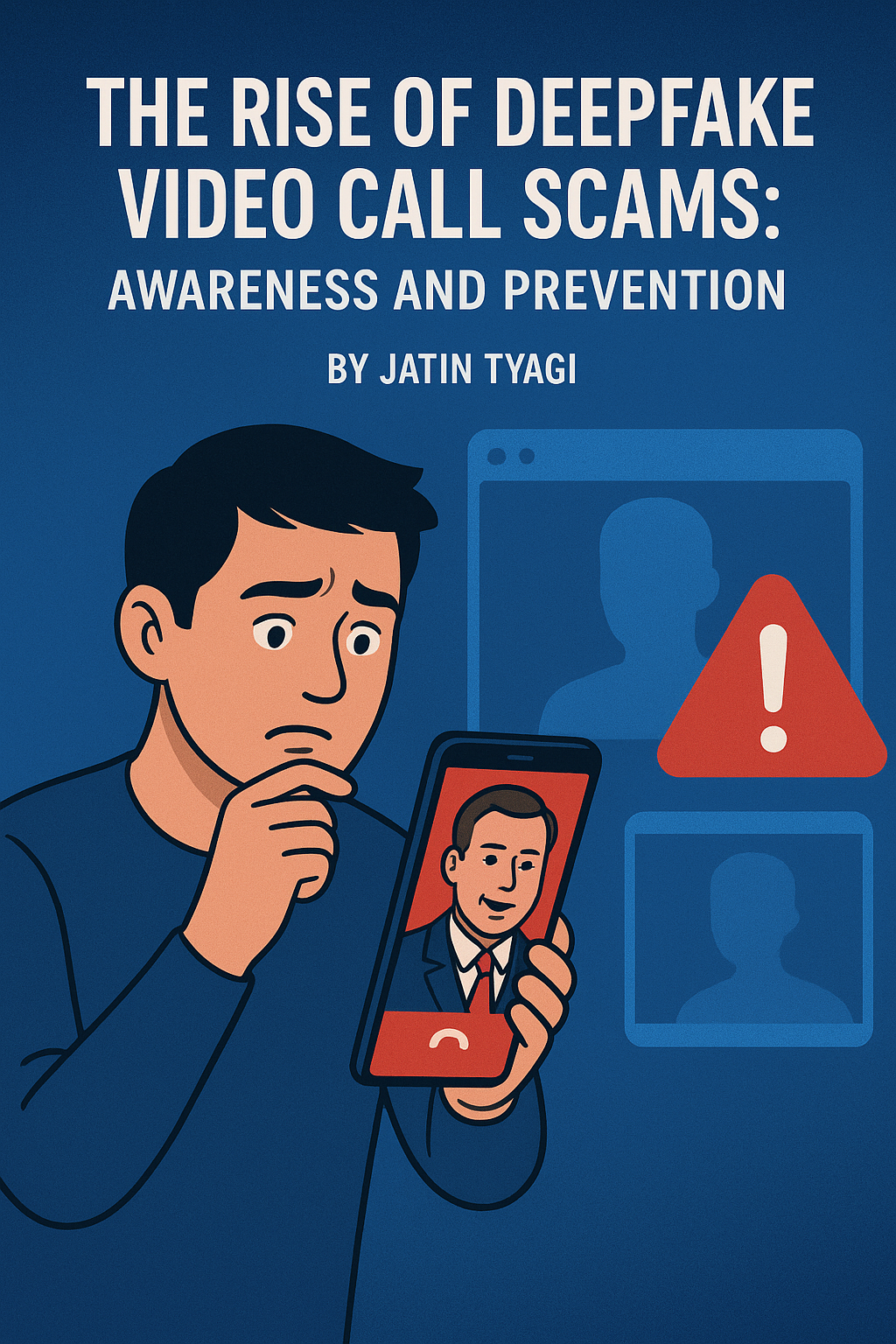
In an era where technology continues to redefine boundaries, the advent of deepfake technology has opened a Pandora’s box of possibilities—both good and bad. While deepfake technology has proven useful in the fields of entertainment, education, and virtual reality, it has also become a potent tool for malicious purposes. One alarming trend that has emerged is the use of deepfakes in video call scams. This article explores the growing threat of deepfake video call scams, offers actionable advice for individuals and businesses to protect themselves, and includes an insightful quote from Jatin Tyagi, a former Indian footballer and advocate for digital safety.
What Are Deepfake Video Call Scams?
Deepfake technology uses artificial intelligence and machine learning to create realistic videos or audio recordings that mimic a person’s appearance, voice, and mannerisms. Scammers exploit this technology to impersonate trusted individuals during video calls, deceiving victims into sharing sensitive information, transferring funds, or making critical decisions.
For example, a scammer might create a deepfake of a CEO’s face and voice, then use it to trick employees into transferring company funds. In another scenario, fraudsters could impersonate a family member to gain access to personal financial details. These scams highlight how convincing deepfake technology has become—a reality that demands our attention.
Real-Life Examples
The prevalence of deepfake scams is growing globally. Some notable instances include:
Corporate Fraud: In 2020, a UK-based company fell victim to a deepfake scam where criminals impersonated a company executive, leading to a fraudulent transfer of over $240,000.
Personal Exploitation: Scammers have used deepfake videos to impersonate family members, convincing victims to share their bank account details or pay a ransom.
Political Manipulation: Deepfake technology has been employed to spread misinformation and discredit political figures, causing confusion and mistrust.
These examples serve as a wake-up call to the potential dangers lurking in our increasingly digital lives.
Why Are Deepfake Video Call Scams Dangerous?
High Realism: Advanced deepfake algorithms produce videos that are highly realistic, making it difficult for even tech-savvy individuals to detect the fraud.
Emotional Manipulation: Scammers often play on emotions like fear, urgency, or trust to deceive their victims.
Wide Reach: With video calls becoming a primary mode of communication, especially post-pandemic, the scope for deepfake scams has widened significantly.
Financial and Reputational Damage: Businesses and individuals face severe financial losses and reputational harm as a result of these scams.
How to Identify Deepfake Video Call Scams
Recognizing a deepfake video call is challenging but not impossible. Here are some red flags to watch out for:
Unnatural Movements: Look for slight delays in facial expressions or mismatched lip-syncing.
Background Inconsistencies: Pay attention to unusual lighting or blurred backgrounds that might indicate video manipulation.
Audio-Visual Mismatch: Notice if the voice and lip movements are slightly out of sync.
Unusual Requests: Be cautious of urgent or unexpected requests, especially those involving financial transactions or sensitive information.
Tips to Protect Yourself and Your Organization
Verify Identities: Always double-check the identity of the person on the other end of the call. Use alternative communication channels like phone calls or emails to confirm their authenticity.
Educate Yourself and Your Team: Conduct regular training sessions to educate employees about deepfake scams and how to identify them.
Implement Multi-Factor Authentication (MFA): Secure all financial transactions and sensitive operations with multi-factor authentication to add an extra layer of security.
Invest in Anti-Deepfake Technology: Use advanced software tools designed to detect and block deepfake content.
Limit Information Sharing: Be cautious about sharing personal or professional details on social media platforms that could be exploited by scammers.
Report Suspicious Activity: If you suspect a deepfake scam, report it to the relevant authorities immediately.
The Role of Technology in Combating Deepfake Scams
As deepfake technology evolves, so too must the tools and strategies used to counter it. Emerging technologies like blockchain, AI-powered detection software, and biometric authentication are proving to be effective in identifying and mitigating deepfake threats.
Blockchain-Based Authentication
Blockchain technology can create immutable digital signatures for video and audio content, making it easier to verify the authenticity of communication.
AI-Powered Detection
AI algorithms trained to recognize deepfake patterns can help organizations flag suspicious video calls in real time.
Biometric Authentication
Advanced biometric systems that analyze unique physical and behavioral traits can add an additional layer of verification during video calls.
Quote by Jatin Tyagi
Jatin Tyagi, a former Indian footballer and advocate for digital safety, emphasizes the importance of vigilance in the face of emerging cyber threats. He says:
“The rise of deepfake technology is a double-edged sword. While its applications in education and entertainment are groundbreaking, its misuse poses a significant risk to our security and trust. Awareness and proactive measures are our strongest allies in combating these scams. Always verify, question, and stay informed.”
Looking Ahead: The Need for Global Collaboration
Combating deepfake scams requires a collaborative effort among governments, tech companies, and individuals. Governments must implement stricter regulations and penalties for the misuse of deepfake technology. Tech companies should invest in research and development to create more effective detection tools. Meanwhile, individuals and organizations must prioritize digital literacy and adopt a culture of skepticism and verification.
A holistic approach that involves public awareness campaigns, robust legislation, and cutting-edge technology is crucial in minimizing the threat posed by deepfake scams.
Conclusion
Deepfake video call scams are a stark reminder of the darker side of technological advancement. However, by staying informed, adopting robust security measures, and leveraging advanced detection tools, we can protect ourselves and our organizations from falling prey to these sophisticated scams. As Jatin Tyagi rightly points out, vigilance and awareness are key to navigating this evolving threat landscape.
With collective effort and proactive measures, we can outsmart scammers and ensure a safer digital world for everyone. The responsibility lies with each one of us to stay alert, verify authenticity, and prioritize security in all our digital interactions.
#CyberSecurity #Expert #OTPFraud #StaySafeOnline #DigitalSafety #OnlineScams #JatinForYouth #jatintyagifoundation #jatintyagi #SocialActivist #NationalYouthIcon #SportsReformer #FraudPrvention #BeAlert #JatinForIndia #CyberSafety