Introduction
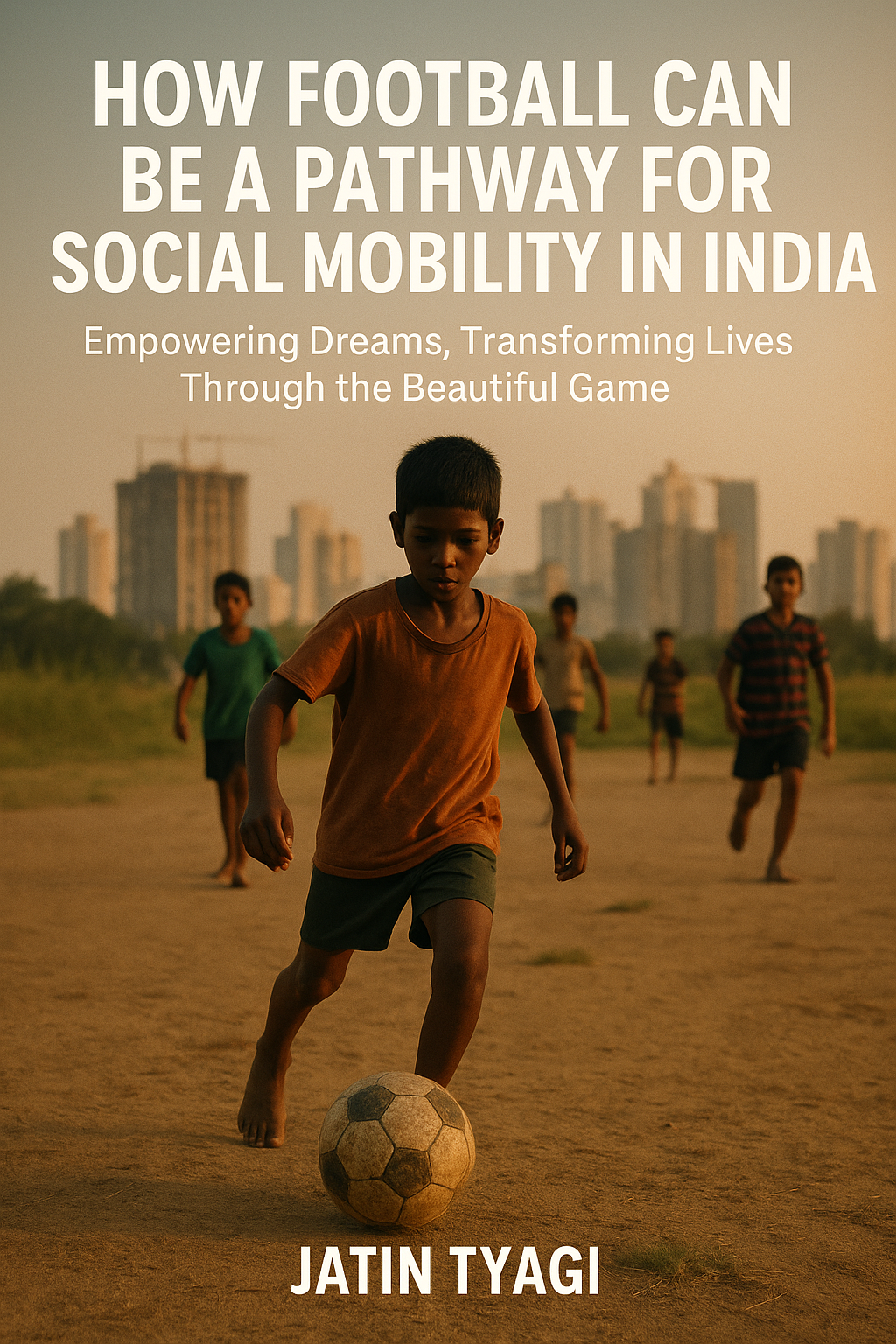
Football is more than just a game—it is a global language that transcends borders, cultures, and socio-economic barriers. In India, where millions struggle with poverty, unemployment, and lack of access to quality education, football has the potential to be a powerful tool for social mobility. From the bustling streets of Kolkata to the remote villages of Manipur, the sport has already begun to change lives, providing opportunities that extend far beyond the pitch.
The Reality of Social Mobility in India
India, a nation of 1.4 billion people, faces significant social and economic disparities. Education, employment, and financial stability remain inaccessible for many, particularly those from marginalized communities. The dream of upward mobility—the ability to improve one’s socio-economic status—is often hindered by systemic inequalities. However, sports, particularly football, can serve as a bridge, offering not only a career path but also crucial life skills such as discipline, teamwork, and resilience.
Vision: Football as an Equalizer
My vision for Indian football is clear: to make it a viable and accessible platform for talent from all backgrounds. Football should not remain a privilege of the elite or a hobby of the middle class. It must become an instrument of empowerment, allowing young athletes from slums, villages, and underprivileged backgrounds to rise above their circumstances. With the right infrastructure, investment, and mindset, football can uplift communities, create job opportunities, and redefine aspirations.
How Football Facilitates Social Mobility
1. Providing Career Opportunities Football is no longer just a recreational activity in India. With the emergence of the Indian Super League (ISL), I-League, and various grassroots programs, the sport has become a legitimate career path. Young players can now aspire to become professional athletes, earning a stable income and gaining national recognition.
2. Scholarships and Education Many football academies in India, such as Tata Football Academy, Reliance Foundation Young Champs, and Bengaluru FC Academy, provide scholarships to talented youngsters. These institutions not only focus on football training but also offer formal education, ensuring that players have academic qualifications to fall back on.
3. Employment Beyond Playing Even if a player does not make it to the professional level, football opens doors to various careers—coaching, sports management, physiotherapy, sports journalism, and referee positions. The ecosystem surrounding football is expanding, and with it, so are the employment opportunities.
4. Breaking Social Barriers Football is an inclusive sport that does not discriminate based on caste, religion, or socio-economic status. Playing in mixed teams fosters unity and understanding, breaking down deeply ingrained social divisions. In states like Manipur and Mizoram, where football is deeply rooted, the sport has helped bridge ethnic and communal gaps, promoting social harmony.
5. Instilling Leadership and Life Skills Football teaches crucial life skills such as perseverance, leadership, teamwork, and decision-making. Many former players have transitioned into successful entrepreneurs, government officials, and social activists. These qualities help individuals navigate life’s challenges and inspire others to pursue their dreams.
Case Studies: Success Stories from Indian Football
· Jeje Lalpekhlua: Coming from a humble background in Mizoram, Jeje’s journey to becoming a star Indian footballer is an inspiring example of how the sport can uplift individuals and communities.
· Sunil Chhetri: India’s footballing icon, who emerged from modest beginnings, has proved that talent combined with hard work can lead to national and international success.
· Bala Devi: The first Indian woman to play professional football in Europe, Bala Devi has broken stereotypes and paved the way for young girls across the country.
The Role of Government, Corporates, and NGOs
For football to become a genuine pathway for social mobility, various stakeholders need to step up:
· Government Initiatives: Policies should focus on increasing funding for grassroots development, improving infrastructure, and integrating sports into educational curricula.
· Corporate Investment: Private enterprises should support football academies, offer sponsorships, and create job opportunities within the football ecosystem.
· NGO Contributions: Non-profit organizations can play a crucial role in identifying and nurturing talent from underprivileged communities, ensuring that financial constraints do not limit potential.
Jatin Tyagi Foundation’s Contribution
The Jatin Tyagi Foundation is committed to promoting football at the grassroots level, particularly in economically weaker sections of society. Through free training programs, scholarship opportunities, and mentorship initiatives, we aim to create a sustainable ecosystem where football can truly transform lives.
Quote
“Football is not just a game; it is a movement. It has the power to change lives, break barriers, and rewrite destinies. India must embrace football as a tool for social transformation.” – Jatin Tyagi
Advice to Young Players
1. Believe in Your Talent: No matter where you come from, talent and hard work will take you far.
2. Seek Education Alongside Football: Knowledge is power. A strong academic foundation will always be an asset.
3. Utilize Opportunities: Take advantage of scholarships, local academies, and competitions.
4. Give Back to the Community: Once you succeed, help others rise with you. Inspire the next generation of footballers.
Conclusion
Football has the potential to be a powerful catalyst for social mobility in India. It can provide opportunities, instill confidence, and pave the way for a better future. However, realizing this vision requires collective effort from individuals, organizations, and policymakers. If we harness the power of football effectively, we can create a nation where talent knows no barriers and dreams are not confined by economic circumstances.
India’s football revolution is not just about winning matches—it is about changing lives.
#JatinTyagi #IndianFootballRise #GrassrootsDevelopment #JatinForIndia #FootballForAll #JatinForYouth #EmpowerThroughSports #jatintyagifoundation #RuralSportsRevolution #jatintyagi #FormerFootballer #SportsReformer #NationalYouthIcon #SocialActivist #IndianFootballForwordTogether #IndianFootball #LetsPlay #JTFGames