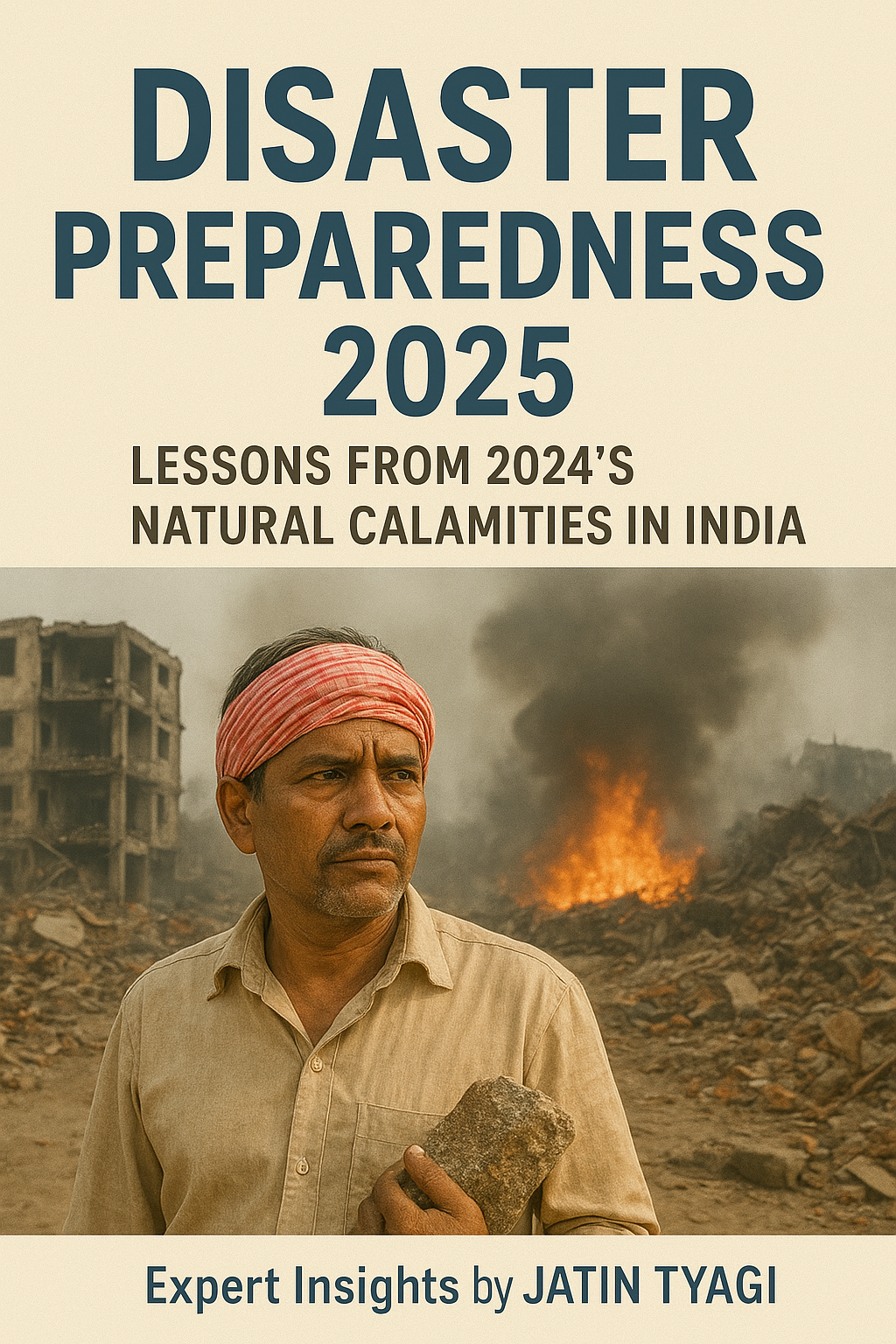
India is a land of diverse landscapes, from towering Himalayas to vast river plains, making it both beautiful and vulnerable. In 2024, several states, including Himachal Pradesh, Sikkim, and the Northeastern region, faced severe natural disasters—ranging from landslides, flash floods, cloudbursts, to riverine floods. These events caused loss of life, property, and livelihoods, reminding us that disaster preparedness is no longer optional; it is a necessity.
As a former footballer, sports reformer, national youth icon, and advocate for community safety, I have worked closely with youth and local communities to foster awareness, readiness, and resilience. Disaster preparedness is a responsibility that spans individuals, families, organizations, and governments. This article explores the lessons from 2024, practical strategies for 2025, and the steps every citizen and community can take to mitigate risks and save lives.
Why Disaster Preparedness Matters
Disasters strike unexpectedly, and early preparation can mean the difference between life and death. Preparedness is crucial because:
- Protects Human Lives: Quick response and knowledge of evacuation routes save lives.
- Reduces Property Loss: Planning, early warning systems, and structural safety prevent damage.
- Strengthens Communities: Resilient communities recover faster and support each other.
- Minimizes Economic Impact: Disaster preparedness ensures continuity of business and livelihoods.
- Empowers Youth: Educated and trained youth become community leaders in emergencies.
Natural Disasters in India 2024: Key Events
Himachal Pradesh:
- Flash floods and landslides affected districts like Kullu and Kangra.
- Thousands were displaced; roads and communication networks were disrupted.
Sikkim:
- Cloudbursts triggered landslides and river floods, impacting towns and villages along the Teesta River.
- Emergency rescue teams had to evacuate hundreds of people to safe shelters.
Northeastern India:
- Assam, Meghalaya, and Arunachal Pradesh faced riverine floods.
- Crop loss, house damage, and prolonged displacement affected rural communities.
These disasters highlight the urgent need for systemic preparedness, early warning systems, and community-level awareness.
Lessons Learned from 2024 Disasters
- Early Warning Systems Save Lives: Areas with functional alarms and forecasts had better evacuation outcomes.
- Community Engagement is Key: Local volunteers and youth groups played a critical role in rescue and relief.
- Infrastructure Vulnerabilities: Poorly maintained roads, bridges, and drainage systems worsened the impact.
- Digital Communication Gaps: Lack of timely alerts in remote areas delayed evacuation.
- Youth Leadership Matters: Trained young volunteers supported relief operations, emphasizing the importance of youth engagement.
Disaster Preparedness: Step-by-Step Guide for 2025
- Individual & Family Preparedness
- Emergency Kit: Keep essentials like water, non-perishable food, first-aid, torch, batteries, blankets, and important documents.
- Communication Plan: Establish a family emergency contact and meeting point.
- Know Local Hazards: Understand the risks in your area—flood, landslide, earthquake—and prepare accordingly.
- Training: Learn basic first aid, CPR, and survival skills.
- Digital Readiness: Keep a power bank, offline maps, and emergency contact numbers.
- Community-Level Preparedness
- Volunteer Networks: Youth clubs, NGOs, and local groups should train volunteers for disaster response.
- Evacuation Drills: Conduct mock drills in schools, residential areas, and workplaces.
- Resource Mapping: Identify shelters, medical facilities, and emergency supply centers.
- Information Sharing: Use WhatsApp groups, local radio, and social media to disseminate alerts.
- Collaboration with Authorities: Coordinate with local police, disaster management authorities, and NGOs for rapid response.
- Organizational & Institutional Preparedness
- Disaster Management Plans: Schools, colleges, offices, and sports academies must have documented protocols.
- Safety Audits: Regularly inspect buildings, bridges, and emergency exits.
- Training & Workshops: Conduct awareness sessions for staff and students.
- Emergency Contacts: Maintain updated contacts of hospitals, police, fire services, and disaster response teams.
- Technology Use: Implement GIS mapping, early warning apps, and automated alert systems.
- Government & Policy Measures
- Invest in Early Warning Systems: Satellite monitoring, weather alerts, and real-time flood data.
- Infrastructure Resilience: Reinforce roads, bridges, dams, and drainage systems in high-risk areas.
- Community Training Programs: Engage youth and local leaders in disaster response initiatives.
- Policy Enforcement: Ensure strict building codes and disaster mitigation measures in vulnerable zones.
Role of Youth in Disaster Preparedness
As a national youth icon, I strongly advocate for youth leadership in disaster preparedness:
- Volunteer in Local DRR Programs: Youth can assist in awareness campaigns, mock drills, and relief operations.
- Digital Advocacy: Use social media to share alerts, safety tips, and educational content.
- Training Peers: Encourage fellow students and sports academy members to participate in emergency response training.
- Community Mentorship: Young leaders can support elderly and vulnerable populations during crises.
Personal Experience: During my initiatives in Himachal Pradesh after the 2024 floods, youth volunteers were instrumental in coordinating relief and providing emotional support to affected families. Their contribution demonstrated that prepared, motivated youth save lives.
Technology in Disaster Preparedness
- Mobile Alerts & Apps: Government apps and SMS-based alerts notify citizens in real-time.
- GIS & Satellite Monitoring: Predict flood zones, landslide-prone areas, and forest fire risks.
- Social Media: Platforms like Twitter, Facebook, and WhatsApp are vital for quick communication.
- Drone Surveillance: Aid in assessing damage and locating stranded individuals.
- Data Analytics: Predict patterns for risk assessment and resource allocation.
Quote from Jatin Tyagi
“Disaster preparedness is not just about survival; it is about responsibility, resilience, and leadership. Every family, community, and youth volunteer can make a difference when knowledge, awareness, and action come together.” – Jatin Tyagi
Vision for 2025
My vision for 2025 is an India where:
- Every citizen is disaster-aware and trained
- Youth form the backbone of local emergency response teams
- Technology and community engagement work hand-in-hand
- Early warning and rapid response systems are universal
- Resilience and preparedness become a cultural norm
Preparedness is not just reactive—it is proactive leadership at every level of society.
Message: Empower Communities, Save Lives
Disasters cannot always be prevented, but their impact can be minimized through knowledge, coordination, and proactive action. My message is clear:
- Equip your family with emergency plans
- Volunteer and train youth in disaster response
- Engage communities and institutions for collective resilience
- Use technology wisely to stay informed and prepared
Real-Life Examples of Effective Preparedness
- Community-Led Evacuation in Assam (2024): Villagers, guided by youth volunteers, successfully evacuated flood-prone areas, preventing casualties.
- Mock Drill Success in Sikkim: Schools and colleges conducted flood evacuation drills, enhancing readiness.
- Himachal Pradesh Landslide Mitigation: Early warning alerts saved hundreds of lives, showing the effectiveness of technology when coupled with awareness.
Lesson: Prepared communities recover faster, save lives, and prevent panic during crises.
Conclusion
2024’s natural disasters were a stark reminder that disaster preparedness is a shared responsibility. As a former footballer, sports reformer, national youth icon, and mentor, I urge citizens, youth, institutions, and governments to act proactively.
Disaster preparedness is not just a plan—it is a mind-set. By training youth, engaging communities, leveraging technology, and implementing structured response strategies, we can reduce casualties, protect livelihoods, and build a resilient India in 2025 and beyond.
Call-to-Action:
Participate in disaster preparedness workshops, volunteer programs, and community awareness campaigns. Knowledge and readiness today will save lives tomorrow.
#DisasterPreparedness2025 #NaturalDisastersIndia #Floods2024 #HimachalDisaster #SikkimFloods #NEIndiaFloods #YouthLeadership #CommunityResilience #JatinTyagi #YouthMentor #NationalYouthIcon #DisasterAwareness #BePrepared #EmergencyResponse #StaySafeIndia #Mentorship #PublicSafety #JTF #JatinTyagiFoundation