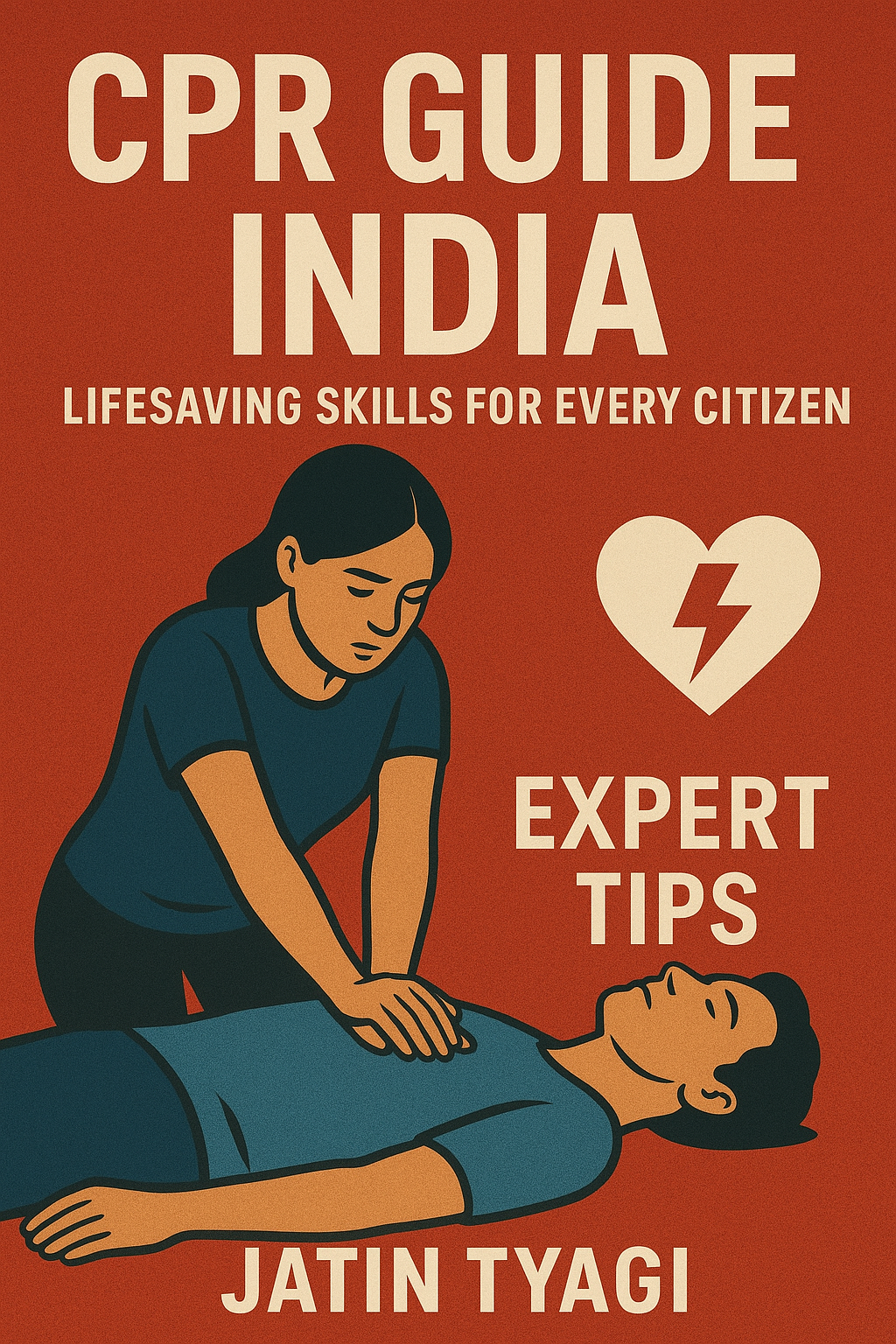
Emergencies can strike without warning—on roads, sports fields, workplaces, or even at home. In such critical moments, seconds matter, and immediate action can determine whether a life is saved or lost. Cardiopulmonary Resuscitation (CPR) is one of the most essential lifesaving skills anyone can learn, and its widespread knowledge is vital for India, a country with over 1.4 billion citizens.
As a former footballer, sports reformer, national youth icon, and mentor, I have witnessed how trained individuals can stabilize and save lives through timely CPR. From sports injuries to sudden cardiac arrests, CPR acts as a bridge between the occurrence of an emergency and professional medical help.
This guide provides a complete overview of CPR in India, including practical steps, types, training resources, real-life applications, and the role of youth in promoting CPR awareness. My aim is to empower citizens, especially youth, to become confident first responders, creating a safer, more prepared India.
Why CPR Matters in India
- High Risk of Cardiac Arrest: Sudden cardiac arrest can strike anywhere—home, streets, workplaces, or even during sports. Every minute without CPR reduces survival chances by 7–10%.
- Immediate Response Saves Lives: Trained individuals performing CPR can maintain blood flow to the brain and vital organs until professional help arrives.
- Bridging the Gap: Ambulance response times can vary widely in India. CPR acts as a critical intervention during this gap.
- Empowering Citizens: CPR training builds confidence, awareness, and responsibility in communities.
- Youth Engagement: Students, athletes, and volunteers can become first responders, significantly impacting survival rates.
Personal Insight: During my football career, I encountered players who collapsed on the field. Immediate CPR performed by teammates and coaches stabilized them, allowing doctors to intervene successfully. This experience reinforced the life-changing impact of CPR training.
Understanding CPR: Basics and Types
- What is CPR?
CPR is an emergency procedure combining chest compressions and rescue breaths to maintain blood circulation and oxygen supply in cases of cardiac arrest or respiratory failure. Its primary goal is to preserve brain function and sustain life until professional help arrives.
- Types of CPR
- Conventional CPR: Involves 30 chest compressions followed by 2 rescue breaths for adults, children, and infants (modified for age).
- Hands-Only CPR: Focuses on continuous chest compressions without rescue breaths. Recommended for untrained bystanders or adult cardiac arrests.
- CPR with AED (Automated External Defibrillator): Combines chest compressions with the use of an AED, which analyzes heart rhythm and delivers shocks if necessary.
Step-by-Step CPR Guide for Adults
Step 1: Ensure Safety
- Check the surroundings for hazards before approaching the victim.
- Make sure both you and the victim are in a safe environment.
Step 2: Check Responsiveness
- Tap the victim and shout loudly: “Are you okay?”
- Look for signs of breathing or movement.
Step 3: Call for Help
- Dial 112 (India’s national emergency number) immediately.
- If others are nearby, assign someone to call and get an AED if available.
Step 4: Chest Compressions
- Place the heel of your hand on the center of the chest (between nipples).
- Interlock fingers and keep elbows straight.
- Compress the chest 5–6 cm deep at a rate of 100–120 compressions per minute.
Step 5: Rescue Breaths
- Tilt the head back, lift the chin, and pinch the nose.
- Give 2 breaths, watching the chest rise.
- Resume 30 compressions and 2 breaths until help arrives.
Step 6: Use AED if Available
- Turn on AED and follow voice prompts.
- Attach pads to the chest as indicated.
- Ensure no one touches the victim while AED analyzes.
- Deliver shock if instructed, then resume CPR.
Step 7: Continue Until Help Arrives
- Keep performing CPR until the victim breathes normally, medical help arrives, or you are physically unable to continue.
CPR for Children and Infants
Children (1–8 years)
- Use one or two hands for chest compressions depending on size.
- Depth: 5 cm; Rate: 100–120/minute.
Infants (Under 1 year)
- Use 2 fingers for compressions; Depth: 4 cm.
- Give gentle breaths and monitor for response.
Key Tip: Avoid over-tilting the head; infants’ airways are delicate.
Recognizing When CPR is Needed
- Sudden collapse
- Unconsciousness
- No breathing or abnormal breathing (gasping)
- No pulse (if trained to check)
Remember: Even if unsure, starting CPR is better than doing nothing. Hands-only CPR can significantly increase survival chances.
First Aid Integration: CPR in Emergencies
CPR is most effective when combined with other first aid measures:
- Choking: Clear airway before CPR.
- Bleeding: Control major bleeding with pressure.
- Shock: Keep the victim lying down, warm, and calm.
- Poisoning or overdose: Call emergency services while starting CPR if necessary.
Personal Insight: During sports tournaments, combining first aid and CPR training for coaches and teammates created a rapid-response culture, drastically reducing injuries and fatalities.
CPR Training in India
Organizations Offering CPR Training:
- St. John Ambulance India
- Indian Red Cross Society
- Heart Care Foundation of India
- Various schools, colleges, and NGOs offering certified courses
Online Resources:
- Many organizations provide videos, tutorials, and online assessments to complement hands-on practice.
- Mobile apps and e-learning modules help youth and volunteers refresh skills.
Certification and Refresher Courses:
- CPR certifications typically last 1–2 years.
- Refresher training ensures skills are current and effective.
Youth as CPR Champions
- Train school and college students as first responders.
- Integrate CPR drills into sports events, NSS activities, and youth volunteer programs.
- Encourage peer teaching—trained youth teaching untrained peers.
- Promote awareness through social media campaigns, community workshops, and local initiatives.
Example: In 2024, youth volunteers in Delhi and Bangalore successfully stabilized cardiac arrest victims during sports events, demonstrating how empowered youth can be lifesavers.
Challenges in CPR Awareness in India
Challenge | Solution |
Limited public awareness | Launch nationwide campaigns in schools, colleges, and workplaces |
Fear of performing CPR incorrectly | Promote hands-only CPR and simulations to build confidence |
Access to AEDs | Increase deployment in public spaces, sports arenas, malls, and workplaces |
Low training participation | Incentivize training with certificates, recognition, and integration into curriculum |
Personal Insight: Overcoming fear and hesitation is the biggest barrier. Training and repeated practice instill confidence to act decisively in emergencies.
Quote from Jatin Tyagi
“CPR is not just a skill—it is a responsibility. Every citizen who learns and applies it becomes a guardian of life. In India, empowering our youth with CPR knowledge can transform the future of emergency response.” – Jatin Tyagi
Vision for 2025
- Every citizen trained in CPR, from students to professionals.
- AEDs installed in public places, sports facilities, schools, and colleges.
- Integration of CPR training in school and college curricula.
- National campaigns encouraging peer-to-peer training and community drills.
- A culture where youth lead lifesaving initiatives across India.
Prepared citizens = saved lives. Knowledge + action = empowered communities.
Message: Learn, Train, Save Lives
- CPR knowledge reduces fatalities and enhances community safety.
- Immediate intervention can bridge the critical gap between collapse and medical help.
- Youth engagement ensures long-term sustainability of CPR awareness.
- Every citizen can be a first responder and life saver—we must embrace this responsibility.
Real-Life Impact Stories
- Sports Arenas: Trained youth saved teammates experiencing cardiac arrest during local tournaments.
- Roadside Emergencies: Bystanders performing hands-only CPR sustained victims until ambulances arrived.
- Workplaces: Employees trained in CPR stabilized colleagues after sudden collapses, reducing fatalities.
Lesson: CPR is practical, impactful, and empowers ordinary people to save lives.
Conclusion
CPR is more than a technique—it is a lifeline for individuals, families, and communities. As a former footballer, national youth icon, and mentor, I urge every citizen of India, especially youth, to:
- Learn CPR and practice regularly
- Advocate for CPR training in schools, colleges, and workplaces
- Spread awareness in local communities and online platforms
- Use technology and apps to refresh skills and track emergencies
- Act decisively in critical situations, saving lives and creating a culture of preparedness
Prepared, trained, and empowered citizens are the true guardians of life in India. By prioritizing CPR education, we not only save lives but also strengthen the resilience and safety of our nation.
Hashtags for SEO & Social Media
#CPRIndia #JatinTyagi #SocialActivist #FirstAid #LifeSavingSkills #YouthFirstResponders #EmergencyResponse #HeartSafety #CPRTraining #100Kvolunteertrained #PublicFigure #Mentorship #DisasterPreparedness #SportsSafety #BePrepared #SaveLives #EmpowerYouth #NationalYouthIcon