Introduction
ATM and card-based transaction scams have been a persistent threat to individuals’ financial security for years. Among these, ATM skimming scams remain one of the most pervasive and damaging types of fraud. Despite advancements in payment technology, millions of people worldwide still rely on ATMs and card-based transactions for their daily banking needs. Scammers exploit this reliance using sophisticated skimming devices to steal sensitive information, causing significant financial losses and distress.
While the concept of skimming is not new, its relevance persists due to the continued use of physical ATMs and point-of-sale (POS) terminals in a rapidly digitizing world. Understanding how skimming devices work, recognizing suspicious setups, and taking swift action when card fraud is suspected are crucial steps to protect yourself from these scams.
This article delves into the mechanics of ATM skimming devices, offers practical tips for recognizing and avoiding these scams, and outlines steps to take if you suspect card fraud. We’ll also feature expert advice from Jatin Tyagi, a financial security specialist, to help you safeguard your finances.
How ATM Skimming Devices Work
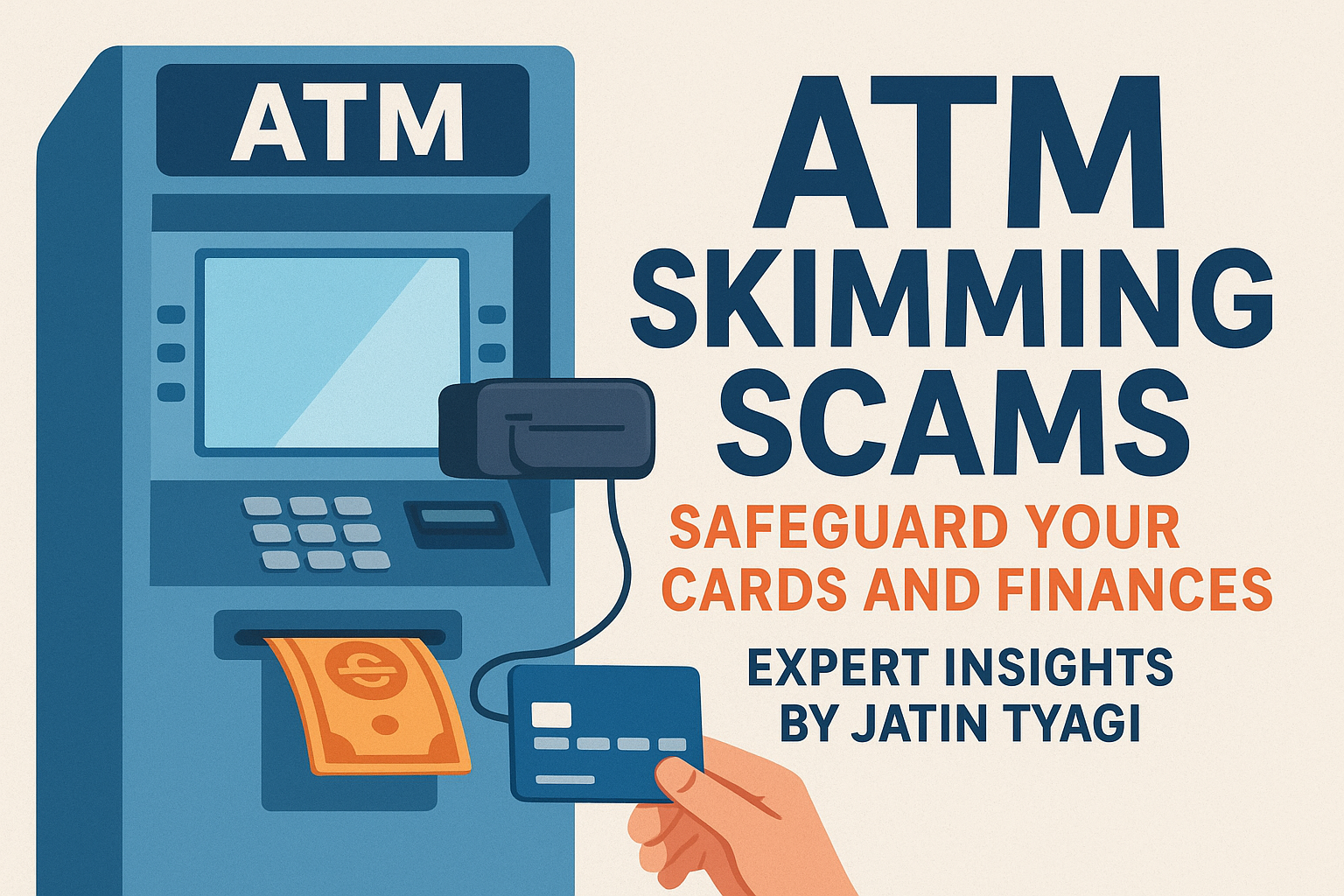
ATM skimming involves the use of hidden devices to steal card information and PINs during transactions. Scammers attach skimming devices to ATMs or POS terminals, allowing them to capture data from unsuspecting users. Here’s how the process typically works:
1. Skimming the Card Information
Skimmers are small, discreet devices placed over the card slot of an ATM or POS terminal. When a user inserts their card, the skimmer reads and records the card’s magnetic stripe or chip data. In some cases, the scammers use advanced technologies to wirelessly transmit the stolen data to their devices.
2. Capturing the PIN
To obtain the user’s PIN, scammers often use hidden cameras or fake keypad overlays.
- Hidden Cameras: Tiny cameras are strategically placed on or around the ATM to record the user’s hand movements while entering their PIN.
- Keypad Overlays: These are thin, fake keypads placed over the real one to record the PIN as it is entered.
3. Creating Cloned Cards
Once the scammers have the card data and PIN, they use this information to create cloned cards. These counterfeit cards can then be used to withdraw money or make fraudulent purchases, leaving the victim to discover the theft only after reviewing their account activity.
4. Online Data Theft
In some cases, scammers use the stolen information to make online purchases or sell the data on the dark web, enabling others to commit further fraud.
Recognizing Skimming Devices on ATMs and POS Terminals
Spotting a skimming device can be challenging, as scammers design these tools to blend seamlessly with the ATM or POS terminal. However, with careful observation, you can identify potential red flags:
1. Inspect the Card Slot
Before inserting your card, take a moment to inspect the card slot.
- Signs of Tampering: Look for loose, misaligned, or bulky components around the card slot.
- Unusual Appearance: If the card slot appears different from what you’re used to seeing on that ATM, it may be compromised.
2. Check for Fake Keypads or Overlays
Examine the keypad to ensure it is flush with the surface of the ATM.
- Keypad Overlays: If the keypad feels too thick or soft, it might be a fake overlay designed to capture your PIN.
- Unresponsive Buttons: Press a few keys lightly to see if they respond normally.
3. Look for Hidden Cameras
Scan the ATM for unusual or suspicious objects that could house cameras.
- Tiny Holes or Attachments: Cameras are often hidden in small holes or attachments near the keypad or card slot.
- False Panels: Check for panels or parts of the ATM that seem out of place or loose.
4. Use Your Hand to Cover Your PIN
While entering your PIN, use your free hand to cover the keypad. This simple action can block hidden cameras from capturing your PIN.
5. Test the Card Slot
Wiggle the card slot slightly before inserting your card. A legitimate card slot is securely attached, while a skimming device may move or detach with slight pressure.
Steps to Take If You Suspect Card Fraud
If you suspect that your card information has been compromised or notice unusual activity in your account, take immediate action to minimize the damage. Here are the steps to follow:
1. Block Your Card
The first and most crucial step is to block your card to prevent further unauthorized transactions.
- Contact Your Bank: Most banks provide 24/7 customer support for reporting lost or compromised cards.
- Use Mobile Banking Apps: Many banks allow you to instantly block or freeze your card through their app.
2. Monitor Your Accounts
Keep a close eye on your bank accounts and credit card statements for suspicious transactions.
- Look for Unfamiliar Charges: Pay attention to small, seemingly insignificant transactions, as scammers often test stolen card information with low-value purchases.
- Report Unauthorized Transactions: Notify your bank immediately if you spot any unauthorized activity.
3. File a Complaint
Report the incident to your bank and local authorities. In many countries, financial fraud can also be reported to regulatory bodies like the Reserve Bank of India (RBI).
- Filing an FIR: If you’ve suffered financial loss, file a First Information Report (FIR) with your local police station.
- Contact Cybercrime Helplines: Many countries have dedicated cybercrime helplines for reporting card fraud.
4. Change Your PIN
If your card is not yet blocked, change your PIN immediately through an ATM or your bank’s online portal. Avoid using easily guessable PINs like your birthdate or consecutive numbers.
5. Educate Yourself for the Future
Once the immediate threat is mitigated, take steps to educate yourself about skimming scams and other forms of financial fraud to prevent recurrence.

Jatin Tyagi’s Expert Advice and Quote
Jatin Tyagi, a well-known financial security expert, emphasizes the importance of vigilance and proactive measures in protecting your financial information.
Quote by Jatin Tyagi:
“Scammers are always evolving, but so should we. Staying informed, cautious, and proactive is the key to protecting your hard-earned money. Technology can empower us, but it can also expose us to risks if we aren’t vigilant.”
Jatin Tyagi’s Tip:
“Always trust your instincts when using an ATM or POS terminal. If something feels off—whether it’s the appearance of the machine or an unusual transaction alert—act immediately. Prevention is always better than cure when it comes to financial fraud.”
Preventive Measures for Safer Transactions
To further protect yourself from skimming scams and card fraud, follow these preventive measures:
- Use ATMs in Safe Locations: Prefer ATMs located in well-lit, secure areas such as inside banks.
- Enable Transaction Alerts: Set up SMS or email alerts for every transaction to monitor your account activity in real-time.
- Avoid Public Wi-Fi for Transactions: When making online payments, use secure networks instead of public Wi-Fi.
- Use Contactless Payments: Where possible, opt for contactless payments or mobile wallets to reduce the risk of physical card theft.
- Regularly Update Your PIN: Change your card PIN periodically to reduce the chances of unauthorized access.
Conclusion
ATM skimming scams are a persistent threat, but by staying vigilant and taking preventive measures, you can significantly reduce your risk of falling victim to these fraudulent activities. By inspecting ATMs and POS terminals, monitoring your accounts, and acting swiftly in case of suspected fraud, you can protect your finances from scammers.
Jatin Tyagi’s insights serve as a reminder that awareness and proactive steps are essential for financial security. As technology advances, so do the tactics of scammers, making it more important than ever to stay informed and cautious. By empowering yourself with knowledge and taking appropriate actions, you can safeguard your hard-earned money and enjoy a secure financial future.
#CyberSecurity #StaySafeOnline #DigitalSafety #OnlineScams #SportsReformer #FormerFootballer #JatinForYouth #jatintyagifoundation #jatintyagi #SocialActivist #FraudPrvention #BeAlert #JatinForIndia #CyberSafety #NationalYouthIcon