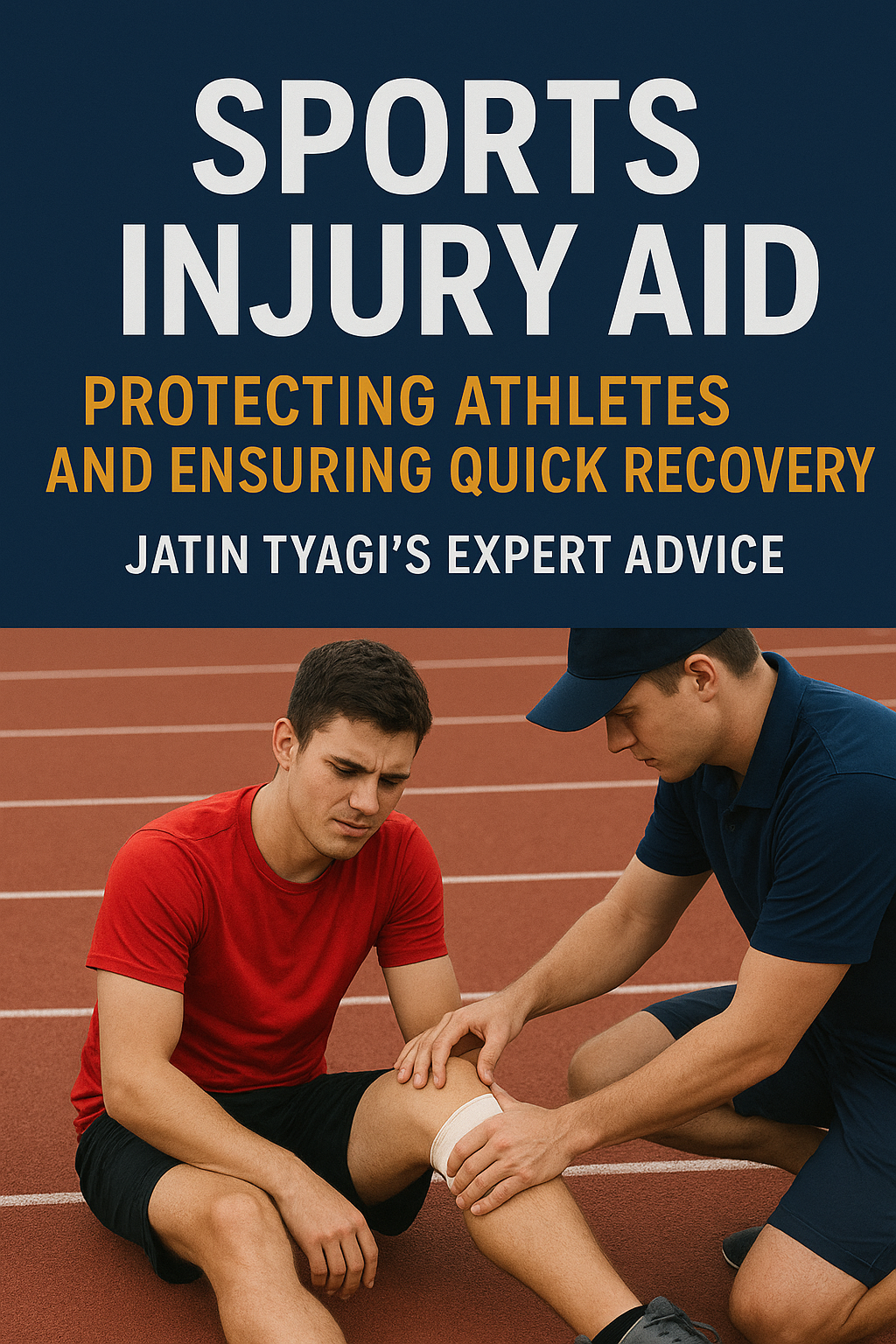
Sports are a powerful medium for physical fitness, discipline, teamwork, and national pride. However, along with the excitement and achievements come risks of injuries, ranging from minor sprains to severe fractures. The difference between a quick recovery and long-term damage often lies in immediate first aid and proper injury management.
As a former footballer, sports reformer, national youth icon, and mentor, I have witnessed athletes sustain injuries that could have been worsened by delayed or incorrect response. Proper sports injury first aid not only saves recovery time but also prevents complications, enabling athletes to return stronger.
This article is a complete guide on sports injury first aid, blending practical steps, personal experiences, and strategies for athletes, coaches, and youth, while emphasizing safety, awareness, and empowerment.
Why Sports Injury First Aid Matters
- Immediate Care Prevents Complications: Quick action reduces swelling, pain, and long-term damage.
- Supports Faster Recovery: Early intervention ensures the athlete can return to training and competition sooner.
- Reduces Psychological Impact: Correct first aid alleviates anxiety and fear associated with injuries.
- Promotes Safety Culture: Educating teams and schools about injury management fosters responsibility and preparedness.
- Empowers Youth and Coaches: Knowledgeable athletes and coaches can handle emergencies confidently.
Personal Insight: During my football career, teammates who received timely first aid for ankle sprains and muscle strains avoided long-term injuries, highlighting the critical role of early intervention.
Common Sports Injuries and Their First Aid
- Sprains and Strains
- Sprain: Injury to ligaments connecting bones.
- Strain: Injury to muscles or tendons.
First Aid (RICE Method):
- Rest: Avoid using the injured area.
- Ice: Apply cold packs for 15–20 minutes every 2–3 hours.
- Compression: Use elastic bandages to reduce swelling.
- Elevation: Keep the injured limb above heart level to minimize swelling.
- Fractures (Broken Bones)
- Signs: Deformity, swelling, severe pain, inability to move the limb.
First Aid:
- Immobilize the Limb: Use a splint or support without moving the injured area.
- Control Bleeding: Apply gentle pressure if there is an open wound.
- Call Medical Help Immediately: Do not try to realign bones.
Personal Insight: Proper immobilization during my football career prevented worsening of fractures and expedited recovery.
- Dislocations
- Joints are displaced, causing severe pain and deformity.
First Aid:
- Keep the injured area immobile.
- Apply cold packs to reduce swelling.
- Seek immediate medical attention; never attempt to realign the joint yourself.
- Muscle Cramps
- Sudden, involuntary muscle contractions due to fatigue, dehydration, or electrolyte imbalance.
First Aid:
- Stretch and massage the affected muscle gently.
- Hydrate with water or electrolyte drinks.
- Apply warm compresses if needed.
- Head Injuries and Concussions
- Symptoms: Dizziness, confusion, headache, nausea, blurred vision.
First Aid:
- Stop activity immediately.
- Keep the athlete lying down with head elevated slightly?
- Monitor for loss of consciousness or vomiting.
- Seek medical attention immediately.
Personal Insight: During sports events, recognizing concussion signs early prevented serious neurological complications in several young athletes.
- Cuts and Abrasions
- Minor injuries often occur due to falls or collisions.
First Aid:
- Wash with clean water and mild antiseptic.
- Apply a sterile bandage or dressing.
- Monitor for signs of infection.
- Nosebleeds
- Common in contact sports or accidental collisions.
First Aid:
- Sit upright and lean slightly forward.
- Pinch the soft part of the nose for 10–15 minutes.
- Apply cold compress to the bridge of the nose.
- Eye Injuries
- Sports involving balls, sticks, or flying objects can cause eye trauma.
First Aid:
- Avoid rubbing the eye.
- Rinse with clean water or saline solution.
- Seek medical help for persistent pain, vision changes, or bleeding.
- Heat Exhaustion and Heat Stroke
- Caused by prolonged exposure to high temperatures during outdoor activities.
First Aid:
- Move the athlete to a cool area.
- Hydrate with water or electrolyte solutions.
- Apply cool compresses or fans.
- If symptoms persist, seek medical attention immediately.
Essential Sports First Aid Kit
- Elastic bandages and wraps
- Sterile gauze, plasters, and dressings
- Cold packs and hot packs
- Antiseptic wipes and creams
- Scissors and tweezers
- Pain relievers (approved for athletes)
- Splints and slings
- Thermometer
- Tape and braces
- Emergency contact list
- CPR mask or shield
Tip: Keep kits accessible during training sessions, matches, and tournaments, and train the team in using all items effectively.
Role of Coaches, Staff, and Youth Volunteers
- Conduct regular workshops on sports injury management.
- Encourage warm-up and cool-down routines to prevent injuries.
- Monitor athletes for early signs of strain or fatigue.
- Ensure hydration, nutrition, and rest are prioritized.
- Promote a safety-first culture, balancing competitiveness with health.
Personal Insight: Teams that embraced a structured first aid approach experienced fewer long-term injuries, maintained higher performance, and built trust among athletes.
Training and Certification for Sports First Aid
- St. John Ambulance India, Indian Red Cross Society, and other organizations provide sports-specific first aid certification.
- Workshops and simulation drills help athletes and coaches practice emergency response.
- Schools and colleges should include mandatory first aid modules in sports programs.
- Refresher courses every 6–12 months maintain skill levels.
Integration with CPR and Emergency Response
- Injuries sometimes coincide with cardiac emergencies or severe trauma.
- Knowing CPR and basic life support complements first aid skills.
- Youth volunteers trained in both sports injury management and CPR create a robust emergency response system during events.
Example: During a 2024 football tournament, youth first responders administered first aid and CPR simultaneously, stabilizing a player after a collision until professional medical help arrived.
Quote from Jatin Tyagi
“Sports injuries are inevitable, but their impact can be minimized. First aid knowledge empowers athletes, coaches, and youth volunteers to act decisively, ensuring safety, recovery, and resilience on and off the field.” – Jatin Tyagi
Vision for 2024
- All schools, sports academies, and youth clubs in India will have trained first aid responders.
- Mandatory first aid and CPR training for all athletes and coaches.
- National awareness campaigns promoting injury prevention and emergency preparedness.
- Integration of digital resources for real-time injury management guidance.
- A culture where youth lead safety initiatives, making sports participation safer nationwide.
Prepared athletes = safer competitions = stronger future.
Message: Safety is the True Champion
- First aid is not just a skill for emergencies—it is a mindset that prioritizes health, safety, and empathy.
- Coaches, parents, and youth volunteers must lead by example, ensuring athletes train and compete in a safe environment.
- Every citizen empowered with first aid knowledge contributes to safer, stronger, and more resilient communities.
Real-Life Impact of Sports First Aid
- Reduced Recovery Time: Proper care for sprains and strains allowed athletes to return to play faster.
- Prevented Long-Term Damage: Correct handling of fractures and dislocations minimized complications.
- Psychological Confidence: Athletes felt secure knowing first aid support was available.
- Youth Engagement: Trained youth volunteers actively participated in tournaments, boosting safety awareness.
Lesson: First aid is practical, empowering, and transformative, both on and off the field.
Conclusion
Sports injury first aid is essential for every athlete, coach, parent, and youth volunteer. As a former footballer, national youth icon, and mentor, I urge every sports participant in India to:
- Learn and practice first aid skills
- Maintain well-equipped first aid kits during all sporting activities
- Train youth and teammates to become first responders
- Integrate injury prevention strategies into training programs
- Promote a culture of safety, preparedness, and empathy
Preparedness and knowledge save lives, prevent injuries, and strengthen the foundation of sports culture in India. By embracing sports injury first aid, we create a generation of safer athletes and responsible youth, ready to excel while minimizing risks.
#SportsInjuryFirstAid #JatinTyagi #FormerFootballer #SportsReformer #SocialActivist #NationalYouthIcon #YouthSafety #AthleteHealth #SportsSafety #CPR #EmergencyResponse #Mentorship #FirstAidTraining #InjuryPrevention #BePrepared #EmpowerYouth #LifeSavingSkills #SafeSportsIndia #YouthMentor