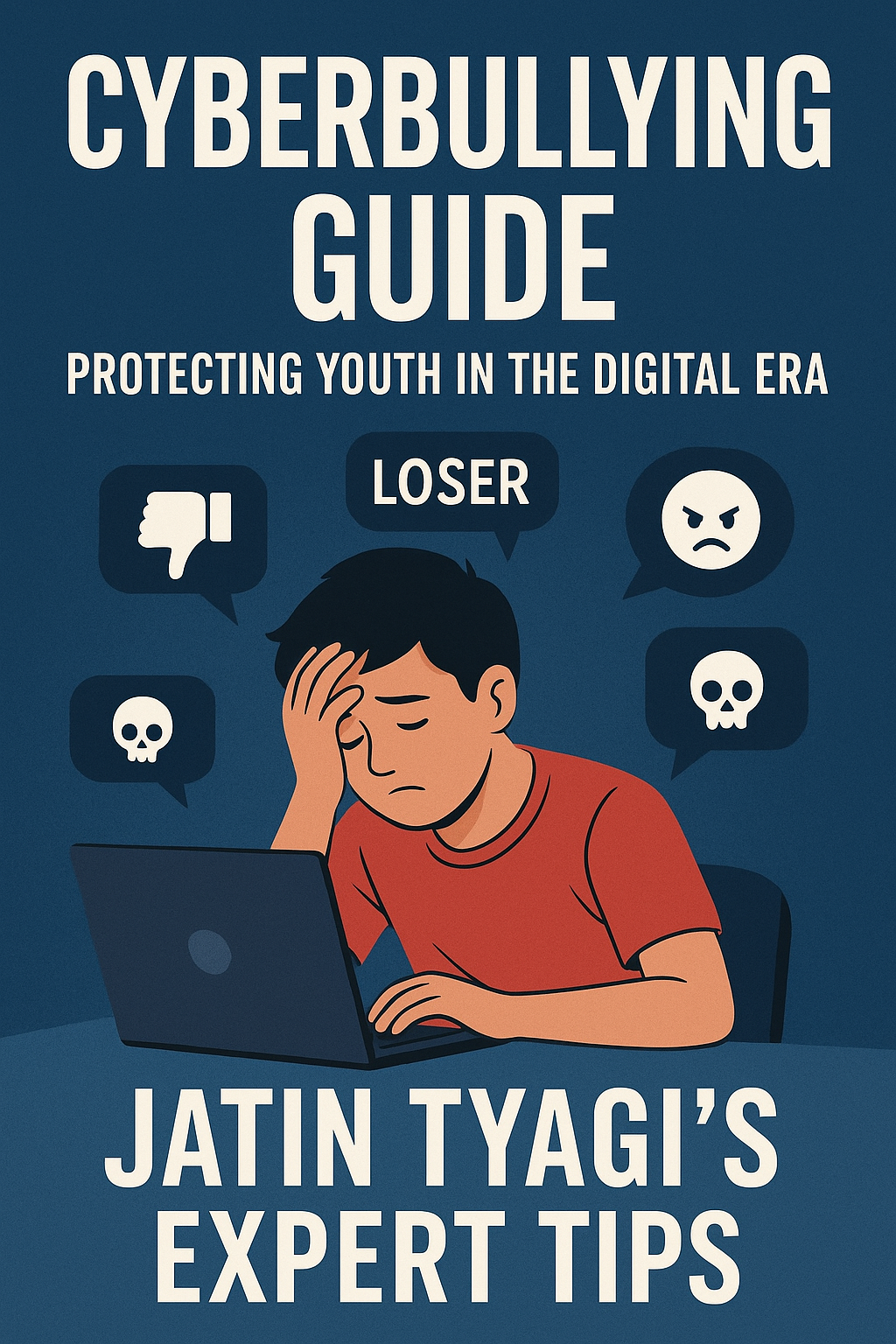
The internet has transformed the way we communicate, learn, and socialize. While digital platforms offer incredible opportunities, they also expose individuals—especially youth—to cyberbullying, a modern form of harassment that can have devastating consequences on mental health, self-esteem, and safety.
As a former footballer, sports reformer, national youth icon, and mentor for youth empowerment, I have observed the emotional and psychological toll of cyberbullying on young individuals. It is crucial to address this issue, educate users, and equip them with practical strategies to recognize, respond to, and prevent online harassment.
This guide is a complete resource for cyberbullying awareness, prevention, and intervention, designed to empower youth, parents, educators, and communities.
Understanding Cyberbullying
Cyberbullying refers to the use of digital platforms—social media, messaging apps, gaming forums, and websites—to harass, intimidate, or humiliate someone. Unlike traditional bullying, it can occur anytime and anywhere, reaching victims even in the safety of their homes.
Forms of Cyberbullying
- Harassing Messages: Repeated offensive, threatening, or abusive messages.
- Social Media Attacks: Public shaming, spreading rumours, or posting hurtful content.
- Impersonation: Creating fake profiles to damage reputation or relationships.
- Exclusion & Isolation: Deliberately excluding someone from online groups or chats.
- Cyber stalking: Persistent online monitoring or threats causing fear and distress.
- Sexual Harassment & Exploitation: Sharing inappropriate content or soliciting sexual behaviour.
Personal Insight: I have interacted with youth who suffered from online bullying, which affected their academic performance, social confidence, and mental well-being, highlighting the urgent need for awareness and preventive measures.
Why Cyberbullying is Dangerous
- Psychological Impact: Leads to anxiety, depression, low self-esteem, and sometimes suicidal thoughts.
- Social Consequences: Affects friendships, family relationships, and peer interactions.
- Educational Impact: Students may avoid school or online learning platforms due to fear.
- Permanent Digital Footprint: Hurtful content online can remain accessible indefinitely.
- Legal Ramifications: Severe cases can result in criminal charges under Indian law.
Recognizing the Signs of Cyberbullying
- Sudden withdrawal from social media or online activity
- Visible distress, anxiety, or irritability after using devices
- Declining academic performance or loss of interest in studies
- Unexplained physical symptoms like headaches or sleep disturbances
- Reluctance to speak about online experiences
Tip: Parents, teachers, and mentors should actively monitor these signs and intervene early.
Practical Strategies to Prevent Cyberbullying
- Digital Hygiene & Privacy Settings
- Use strong passwords and two-factor authentication.
- Adjust privacy settings to limit who can see posts, messages, and personal information.
- Avoid oversharing personal details or locations online.
- Awareness & Education
- Educate youth about online safety, respect, and responsible behaviour.
- Discuss the consequences of cyberbullying for both victims and perpetrators.
- Safe Social Media Practices
- Block or report abusive users immediately.
- Avoid engaging with trolls or escalating conflicts online.
- Encourage positive digital interaction and empathy.
- Support Networks
- Build a trusted circle of friends, family, teachers, or mentors.
- Encourage open communication about online experiences.
- Seek counselling if emotional distress persists.
- Digital Literacy Programs
- Schools and colleges should implement cyber safety workshops.
- Teach students to identify scams, fake news, and malicious online behaviour.
Personal Insight: Promoting digital literacy and awareness has proven effective in reducing online harassment in youth communities I have worked with.
Responding to Cyberbullying
- Stay Calm and Document Evidence:
- Save screenshots, messages, and relevant information.
- Do Not Retaliate:
- Responding aggressively may worsen the situation.
- Report the Bully:
- Use platform-specific reporting tools (Instagram, Facebook, WhatsApp, etc.).
- Contact school authorities or workplace HR if harassment involves peers.
- Seek Professional Help:
- Counsellors, psychologists, and support groups provide guidance for coping and recovery.
- Legal Action if Necessary:
- Under India’s IT Act and IPC, cyber harassment can result in legal action.
- File complaints at the National Cyber Crime Reporting Portal: https://cybercrime.gov.in
Role of Parents, Teachers, and Mentors
- Monitor online activity without invading privacy.
- Discuss online ethics, respect, and consequences regularly.
- Encourage youth to report incidents and not feel ashamed.
- Model responsible online behaviour.
Personal Insight: Mentorship and parental guidance significantly reduce youth vulnerability to cyberbullying by instilling confidence and resilience.
Legal Framework in India
- IT Act 2000 (Amendments 2008): Addresses cyber harassment, identity theft, and offensive content.
- IPC Sections: 499, 500 (defamation), 506 (criminal intimidation) apply to online bullying.
- Protection of Children: Section 67B prohibits publishing sexually explicit material involving minors.
Tip: Educating youth about legal protection empowers them to stand against cyberbullies legally and safely.
Technological Tools to Combat Cyberbullying
- Content Filters & Parental Controls: Restrict access to harmful content.
- AI Monitoring Tools: Detect abusive or threatening messages automatically.
- Privacy Apps & Security Software: Protect devices and data.
- Helplines & Chat bots: Immediate guidance for victims.
Cyberbullying in Schools and Workplaces
- Encourage cyber safety policies in schools, colleges, and offices.
- Introduce reporting channels and counselling support.
- Train staff and students in recognizing signs and intervening effectively.
- Conduct role-playing exercises and digital etiquette sessions.
Personal Insight: In institutions where I conducted workshops, youth learned self-confidence, empathy, and safe online communication, reducing bullying incidents significantly.
Quote from Jatin Tyagi
“Cyberbullying is a silent epidemic affecting our youth. Awareness, vigilance, and compassion are our strongest weapons. Together, we can build a digital world that is safe, responsible, and empowering for every young citizen.” – Jatin Tyagi
Vision
- Cyberbullying awareness integrated into all schools and colleges nationwide.
- Youth-led digital safety campaigns promoting peer support and reporting culture.
- Accessible counselling and helplines for victims.
- Collaborative efforts between government, tech companies, educators, and communities.
- A digital India where youth thrive safely online, free from harassment and abuse.
Message: Empower Youth, Stop Cyberbullying
- Cyberbullying is preventable with awareness, education, and action.
- Encourage digital responsibility in youth and communities.
- Support victims with empathy and practical guidance.
- Promote positive digital engagement, kindness, and accountability.
Personal Insight: Youth empowered with knowledge and mentorship are resilient against cyber harassment and become advocates for safer digital spaces.
Real-Life Examples
- Instagram & TikTok Harassment: Teens faced online threats, which were mitigated through reporting and counselling.
- Gaming Platforms: Abusive messages in Free Fire and BGMI caused distress, highlighting the need for parental monitoring.
- School Digital Bullying: Implementing cyber safety workshops reduced online harassment by over 50% in participating schools.
Lesson: Awareness, mentorship, and proactive measures are key to preventing harm.
Conclusion
Cyberbullying is a serious modern challenge, but it can be prevented and addressed effectively with knowledge, vigilance, and community support. As a former footballer, national youth icon, and mentor, I urge everyone to:
- Educate themselves and youth about digital safety and online etiquette
- Report abusive content and support victims
- Foster positive, respectful digital interactions
- Collaborate with schools, tech companies, and communities to build safer digital spaces
Empowering youth against cyberbullying ensures they thrive safely online and contribute to a stronger, more responsible digital India.
#CyberbullyingGuide #JatinTyagi #NationalYouthIcon #SocialActivist #YouthSafety #DigitalSafety #OnlineHarassment #CyberSecurity #Mentorship #BeSafeOnline #EmpowerYouth #DigitalIndia #StopCyberbullying #ResponsibleDigitalCitizens #SocialMediaSafety #MentalHealthAwareness #SafeInternet